How to Choose the Best Food Packaging Boxes for Your Retail Business
Choosing the best food packaging boxes is essential for every retail business. The selection process includes various factors, including materials, design elements, and environmental considerations. Each factor contributes meaningfully in ensuring product quality and appealing to consumers. Retailers must assess how these factors align with their brand image and market expectations. Recognizing these nuances can prove decisive in long-term success. What particular standards should companies prioritize to guarantee optimal packaging decisions?
The Importance of Food Packaging for Retail Success
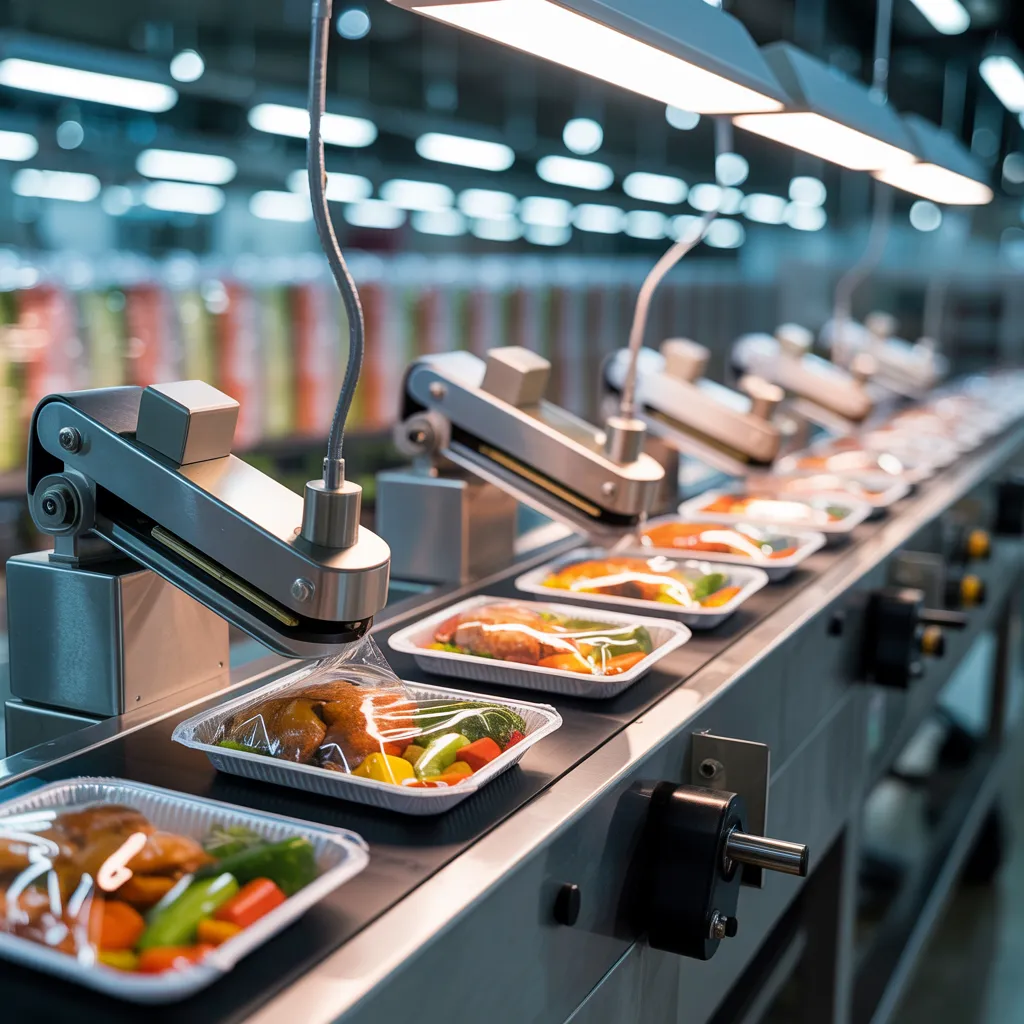
Food packaging plays an essential role in the success of retail businesses by affecting the way shoppers view products and decide what to purchase. Effective packaging serves as a wordless brand ambassador, communicating key information about the product while building a compelling visual impression. It captures attention on crowded shelves and can differentiate a product from competitors.
Moreover, packaging assures consumers assurance of product quality and safety, which is vital in the food industry. Clear labeling, attractive designs, and eco-friendly materials can enhance brand loyalty and inspire repeat purchases. Additionally, well-planned packaging can reflect the brand's vision and message, fostering a stronger connection with the audience.
With the rise examine this material of e-commerce, packaging also plays an important role in guaranteeing products reach customers undamaged and copyright their overall presentation, influencing online reviews and customer satisfaction. At its core, deliberate packaging serves as an important driver of generating sales and encouraging enduring retail prosperity.
Critical Materials Used in Food Packaging
Choosing the right materials for food packaging is vital for upholding product integrity and ensuring safety. Various materials perform distinct purposes, affecting both preservation and consumer experience. Commonly used options include paperboard, which delivers durability and recyclability, making it an eco-friendly alternative. Plastic, particularly PET and HDPE, offers excellent barrier properties, shielding food from moisture and contamination. Glass containers are preferred for their inert nature, protecting flavor and eliminating chemical interactions.
Metal packaging, such as aluminium cans, is perfectly suited for extending shelf life, particularly for perishable items. Moreover, biodegradable and compostable materials are becoming increasingly popular, reinforcing sustainability goals. Each packaging material's availability, cost, and compatibility with various food products should be carefully evaluated. At the end of the day, identifying the ideal packaging material not only safeguards food quality but also showcases an organization's focus on safety and environmental responsibility.
How to Design Packaging That Attracts Customers
Impactful packaging design serves a critical function in capturing customer attention and increasing brand awareness. To accomplish this goal, businesses must focus on several key elements. To begin with, color selection is essential; vibrant colors can evoke emotions and catch the eye, whereas softer hues can communicate elegance. Furthermore, the typeface should be sharp and readable, guaranteeing that brand titles and product descriptions are instantly recognizable at first sight.
Integrating original shapes or constructions can additionally distinguish a product on competitive store shelves, creating a memorable experience for customers. Furthermore, imagery that reflects the product's quality or origin can further entice customers. Ultimately, incorporating a storytelling element or brand narrative on the packaging fosters a deeper connection with the target audience, promoting interaction and brand devotion. Through carefully merging these components, businesses can create packaging that not only attracts attention but also reinforces their brand identity.
Eco-Friendly Approaches in Food Packaging: Why They Are Important
As consumers continue to prioritize ecological responsibility, the significance of sustainable practices in food packaging cannot be overstated. Retail companies are acknowledging the necessity of adopting eco-friendly materials that help reduce waste and lower their carbon footprint. Sustainable packaging options, such as biodegradable, compostable, or recyclable materials, not only appeal to environmentally conscious consumers but also enhance brand reputation.
Incorporating eco-friendly measures fosters clarity and answerability, enabling organizations to connect with the values of their desired customer base. Moreover, governing policies are shifting towards more rigorous green regulations, making it critical for firms to embrace eco-friendly packaging alternatives.
Investing in green strategies can result in long-term cost savings, as businesses may minimize waste expenses and improve productivity. In the end, adopting sustainability in food packaging is not just a moral decision; it is a strategic move that establishes businesses competitively in an increasingly eco-aware marketplace.
Finding the Right Balance Between Cost and Quality in Packaging
Within the retail food sector, maintaining a balance of cost and quality in packaging is essential for success. Businesses must carefully evaluate material options to ensure long-lasting durability while also implementing economical design solutions that draw in buyers. This harmony can considerably affect both profitability and brand perception.
Evaluating Material Options
Choosing the correct option for food storage boxes necessitates a careful evaluation of both cost and quality. Multiple choices, such as cardboard, plastic, and biodegradable options, present unique advantages and drawbacks. Cardboard is commonly affordable and environmentally friendly, establishing it as a common selection among vendors. However, its sturdiness may occasionally fail to meet the needs of particular food products. Synthetic material offers superior protection against moisture and can extend product longevity, but its environmental impact raises concerns. Eco-friendly materials, although generally more expensive, complement green initiatives and appeal to eco-conscious consumers. At the end of the day, the selection process should weigh these factors, guaranteeing the selected choice safeguards the item while also catering to financial limitations and brand identity.
Budget-Friendly Design Approaches
Striking a harmony between quality and cost in food packaging design necessitates careful planning and innovative thinking. Retail businesses should consider using standardized packaging sizes to lower manufacturing expenses while optimizing the use of resources. Utilizing clean yet visually appealing designs can improve brand awareness without adding significant expenditure. Furthermore, opting for versatile materials allows for multiple packaging applications, minimizing waste and maximizing resource utilization. Partnering with suppliers to consider wholesale purchasing possibilities can additionally reduce expenses. Finally, integrating environmentally responsible methods, such as sustainable or decomposable materials, not only resonates with sustainability-focused shoppers but can also generate enduring cost reductions. By adopting these budget-friendly approaches, companies can achieve packaging that meets quality expectations while remaining budget-friendly.
Evaluating Packaging Options: Key Questions to Consider
How can a retail business effectively choose the right food packaging boxes? Evaluating packaging options requires careful consideration of several key questions. First, businesses should assess the material's suitability for the food type being packaged. Is it food-safe and capable of preserving freshness? Additionally, the design must be taken into account—does it reflect the brand's image while remaining practical for end users?
Expense is a further essential factor. Will the business be able to preserve quality while keeping costs in check? Additionally, businesses should consider the packaging's environmental impact. Can sustainable choices be found that lessen the impact on the environment?
Finally، the logistics of storage and transportation must not be ignored. Will the packaging be easy to store and transport without damage? By addressing these questions, retail businesses can make informed decisions that enhance product appeal and guarantee customer satisfaction.
Frequently Asked Questions
What Are the Common Food Packaging Regulations I Should Know?
Typical food packaging standards cover adherence to safety standards, labeling guidelines, material safety, and environmental regulations. Moreover, businesses must guarantee that packaging eliminates contamination and preserves product integrity across its entire shelf life.
What Are the Ways to Test Packaging Durability for My Products?
To assess packaging durability, one must carry out moisture resistance evaluations, drop tests, and compression tests. Examining how packaging holds up under various environmental conditions and handling procedures will yield important knowledge about its overall resilience and trustworthiness in safeguarding products.
Is It Possible to Customize Packaging for Seasonal Promotions?
Certainly, packaging is customizable for seasonal campaigns. Brands often design unique graphics, colors, and materials that align with the occasion's theme, boosting visual appeal while clearly conveying the marketing message to engage customers during key seasonal events.
What Are the Top Best Practices for Packaging Food for Delivery?
Successful food packaging for delivery requires utilizing durable, insulated materials to preserve temperature, guaranteeing leak-resistant designs, and incorporating clear labeling for contents and handling instructions. Furthermore, sustainable options improve customer satisfaction and environmental accountability.
How Should I Deal With Packaging Waste in My Business?
To address packaging waste successfully, businesses should introduce recycling systems, utilize biodegradable materials, and motivate customers to send back packaging. Routine assessments can also reveal ways to reduce waste, cultivating a more environmentally responsible way of operating.