Designing the Ideal Personalized Fresh Boxes: A Progressive Guide
Constructing specialized fruit and vegetable boxes requires a deliberate method. Specialists must consider sustainability, practicality, and visual appeal. Selecting the right materials is vital for preserving quality and advancing eco-friendly practices. Additionally, size and shape can significantly affect usability and shipping efficiency. Impactful visual elements strengthen company identity, while thorough assessment ensures durability. Comprehending these components will reveal vital insights into producing remarkable container strategies that appeal to customers. What follows is fundamental to achieving those objectives.
Choosing the Right Materials for Custom Produce Boxes
When considering materials for custom produce boxes, it is important to review both functionality and eco-friendliness. The selection of material significantly influences the box's strength, weight, and capacity to protect the contents. Common materials feature corrugated cardboard, which offers strength and is recyclable, making it a popular choice for eco-conscious businesses. Compostable options, such as molded pulp or plant-based plastics, also promote green practices while delivering appropriate protection for delicate produce.
Moreover, dampness protection is necessary for keeping quality consistent, causing some vendors to investigate treated materials or specialized coatings. The visual charm of the box cannot be dismissed, since branding and visual presentation can shape consumer perception. Ultimately, the appropriate material should equilibrate between protecting the produce, appealing to customers, and meeting ecological requirements, ensuring both functionality and sustainability are prioritized within the development procedure.
How to Identify the Right Size and Shape for Practical Application?
When deciding on the form and dimensions of custom produce boxes, careful assessment of produce measurements is crucial for proper storage. Additionally, considerations for handling and transport can affect the box design, ensuring ease of movement. Maximizing shelf space usage further enhances functionality, enabling effective presentation and organization.
Review Produce Dimensions Carefully
Assessing the suitable size and shape for produce containers is fundamental for workflow efficiency. Thorough measurement of product dimensions is indispensable, as it guarantees that items fit snugly without surplus room that could produce damage during logistics and storage. Custom boxes need to support various shapes, from delicate berries to bulky vegetables, while sustaining durability. Furthermore, the depth and height of the boxes should facilitate stacking and organization, optimizing space in storage facilities. A well-designed box not only shields the produce but also strengthens visual appeal for buyers. To sum up, careful consideration of dimensions assists in minimizing losses and improving buyer experience in the product supply chain.
Think About the Process of Handling and Transport
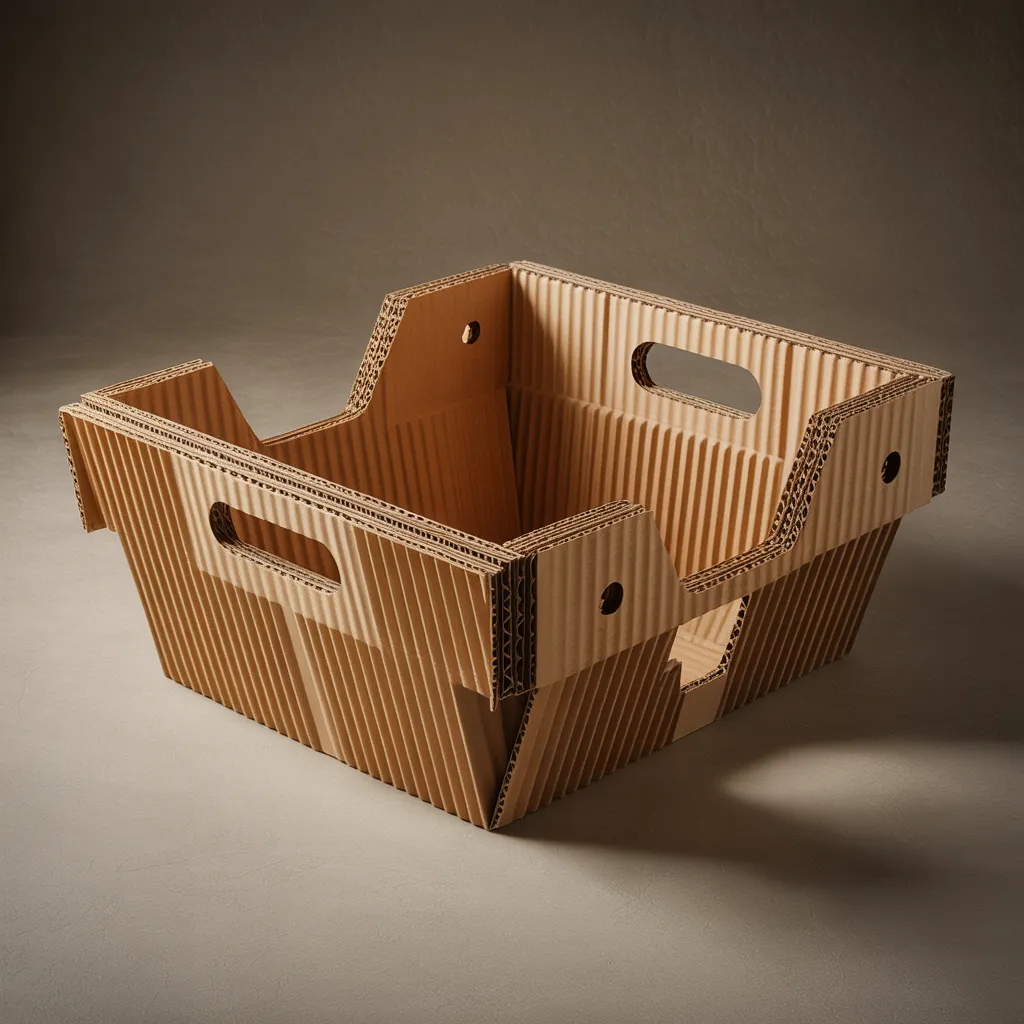
Handling and delivery aspects play a significant part in determining the right dimensions and shape of bespoke produce boxes. The measurements must contain the items without excessive area, which could cause shifting and harm during transport. Small boxes facilitate simpler handling, whereas big containers may be essential for bulkier items. Additionally, ergonomic design is important; grip points or openings should get strategically placed to allow for easy lifting and carrying. The form relating to the box equally affects stacking and steadiness, ensuring that goods remain secure. Ultimately, careful consideration of such factors enhances the efficiency of shipping, decreases product waste, and maintains the complete soundness concerning the produce from field to consumer.
Improve Retail Space Optimization
Effective shelf space usage copyrights upon establishing the proper form and dimensions of custom storage containers. Specialists should take into account the dimensions of the shelving units as well as the types of vegetation being held. Rectangular boxes often strengthen space optimization, allowing for easier arrangement and stacking. By contrast, nonstandard shapes can heighten visual appeal but may lead towards wasted space if not thoroughly considered.
It's essential to assess the inventory turnover rate; quick-selling products might benefit from compact, readily reachable containers. Furthermore, incorporating adjustable or modular designs can support different dimensions of items while improving display arrangement. By prioritizing functionality along with aesthetics, companies can develop a functional and attractive presentation that boosts both ease of access and item prominence.
How to Craft Visual Content That Attract Attention?
Compelling graphics can transform a plain custom produce box into a beautiful showcase that attracts attention. To reach this, designers should start by selecting a color palette that conveys the freshness and vibrancy of the produce. Bright, captivating colors can evoke impressions of more info freshness and wellbeing, motivating consumers to take a closer look.
Bold typography remains crucial; clear and legible fonts can adeptly convey vital details while amplifying visual appeal. Furthermore, using high-quality images of the products can establish instant connection, revealing the product's quality and engaging prospective purchasers.
Furthermore, adding original designs and artwork can assist in setting apart the brand in a crowded market. Consistency in design elements, such as logos and taglines, bolsters brand identity. Ultimately, a combination of creativity and clarity in graphic design can greatly boost the significance of custom produce boxes, making them shine on shelves.
Sustainable Practices for Custom Produce Box Containers
A mounting number of businesses are taking up environmentally responsible practices for custom produce box packaging, recognizing its importance in today's environmentally conscious market. These practices often incorporate the use of degradable materials, such as recycled paper and plant-based plastics, which curtail environmental impact. Companies are also zeroing in on conscientious sourcing, verifying that materials are obtained from responsibly managed forests or suppliers who copyright environmental stewardship.
Furthermore, numerous brands are opting for understated designs that minimize waste while still effectively promoting their products. This approach not only resonates with environmentally conscious consumers but also helps in lowering production costs. Moreover, businesses are increasingly implementing effective manufacturing processes that limit energy consumption and waste generation. By incorporating these eco-friendly practices, companies not only enhance their brand image but also contribute positively to the planet, positioning their operations with a sustainable future.
Verify Your Made-to-Order Produce Box Configuration
Testing the layout of custom produce boxes is an crucial step in ensuring they meet both visual and functional needs. This procedure usually includes assessing factors such as durability, dimensions, and user-friendliness. First, prototypes must be developed to assess the box's physical stability, ensuring it can endure transportation and storage without compromising the products.
Subsequently, functional tests can be implemented to establish how conveniently the boxes can be opened, shut, and stacked. Remarks from end users can be vital in this stage, communicating understanding into the box's practical value.
Additionally, the visual impact of the design should be tested through surveys or focus group sessions, gauging consumer reactions to brand design elements, colors, and total visual presentation.
In the end, comprehensive testing allows designers to refine the box, ensuring it not only appeals to customers but also adequately safeguards and presents the produce within, striking the right equilibrium between form and function.
Showcasing Your Bespoke Produce Boxes Successfully
Effective marketing of personalized produce boxes calls for a strategic approach that stresses their unique features and benefits. Organizations should prioritize determining their intended customers, such as local farms, grocery stores, or individual consumers. Utilizing social networking sites can boost market visibility, showcasing the boxes' appearance and functionality through compelling visuals and storytelling.
Furthermore, working alongside community leaders and farm operators can boost reputation and extend market presence. Introducing offers or price reductions during seasonal peaks can pull in new clients and stimulate repeat business.
Moreover, emphasizing sustainability and eco-friendliness in marketing materials can connect with eco-minded customers. Supplying thorough details about the composition of materials and the positive aspects of personalized packaging options can better position the product in a competitive market.
Ultimately, a thorough advertising plan that combines web-based and local efforts will successfully publicize custom produce boxes, appealing to a diverse clientele and generating sales.
Frequently Asked Questions
What Do the Fees Related to Custom Produce Box Development?
Charges concerning custom produce box design comprise materials needed, printing, labor, and freight. Also, design consultation and order thresholds can determine overall expenses, creating varying prices based on unique needs and manufacturing scale.
What Duration Is Required to Manufacture Custom Boxes?
Production of tailored boxes typically demands two to six weeks. Key factors shaping this timeframe encompass design complexity, sourcing of materials, and manufacturing output, all of which may affect shipping timelines and lead times.
Can I Purchase a Small Quantity of Custom Produce Boxes?
Yes, modest quantities of custom produce boxes can usually be ordered. Many merchants deliver threshold order amounts, allowing firms or consumers to get tailored packaging options without having to commit to large quantities to start.
What Common Pitfalls Should You Steer Clear Of When Designing Bespoke Boxes?
Frequent mistakes in custom box layout involve neglecting functionality, disregarding brand consistency, undervaluing material quality, failing to take into account target audience preferences, and overlooking environmental impact. Each aspect is essential for effective packaging and customer satisfaction.
How Do I Guarantee That My Boxes Are Safe for Food?
To ensure boxes remain food-safe, you should choose materials approved for food contact, prevent harmful inks and adhesives, maintain cleanliness during production, and consistently monitor for compliance with health regulations and safety standards.